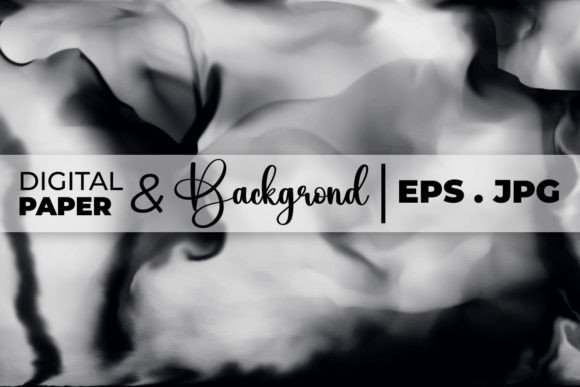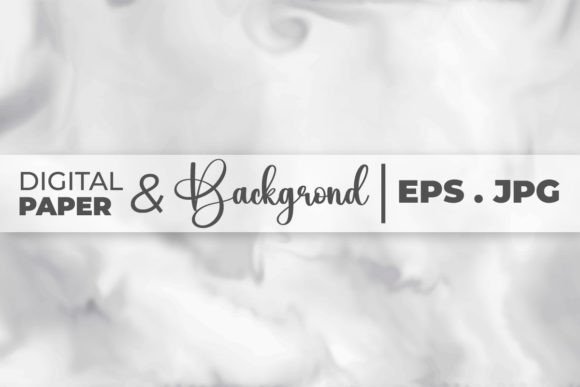
Elevating Design with White Natural Marble Stone Pattern Paper
In the evolving landscape of digital and print design, texture plays a pivotal role in establishing visual hierarchy and emotional tone. Among the myriad of options available to creators, White Natural Marble Stone Pattern Paper has emerged as a versatile staple. It bridges the gap between classical elegance and modern minimalism, offering a sophisticated backdrop that enhances rather than overwhelms the primary content. Whether you are a seasoned graphic designer or a small business owner managing your own branding, understanding how to leverage this specific aesthetic can significantly elevate your projects.
This article explores the practical applications, technical specifications, and strategic value of incorporating white marble patterns into your creative workflow. We will examine why this particular design choice resonates with audiences across various platforms and how to maximize its potential using standard file formats.
The Aesthetic Appeal of Minimalist Luxury
Marble has long been associated with luxury, durability, and timeless beauty. However, traditional marble imagery can sometimes feel heavy or overly ornate for contemporary digital media. The White Natural Marble Stone Pattern offers a refined alternative. By focusing on soft, organic veining against a clean white background, it provides a sense of space and light. This "breathing room" is crucial in design, allowing text and other graphical elements to stand out clearly.
The psychological impact of white space combined with natural stone textures cannot be understated. It conveys cleanliness, professionalism, and high quality. For brands aiming to project an image of trustworthiness and sophistication, this pattern serves as a subtle yet powerful non-verbal cue. It suggests attention to detail and an appreciation for natural beauty without resorting to flashy or aggressive design tactics.
Versatility Across Digital and Print Media
One of the strongest advantages of using a high-quality marble pattern is its adaptability. It is not confined to a single medium. Below, we explore several key areas where this background excels.
Book Covers and Publishing Interiors
For authors and publishers, particularly those utilizing Kindle Direct Publishing (KDP), the cover is the first point of contact with potential readers. A White Natural Marble Stone Pattern works exceptionally well for genres such as self-help, romance, memoirs, and literary fiction. It provides a classy frame for typography, ensuring the title remains legible while adding a tactile feel to the digital thumbnail. Furthermore, these patterns are increasingly popular for KDP interiors, such as journal pages or notebook backgrounds, where a subtle texture can make the writing experience feel more premium.
Social Media and Web Backgrounds
In the fast-paced world of social media, stopping the scroll is essential. Using a marble background for Instagram posts, Pinterest pins, or Facebook headers can create a cohesive brand aesthetic. The neutral tones ensure that product photos or text overlays remain the focal point. Similarly, for web designers, this pattern can be used as a section background to break up solid colors, adding depth to landing pages without distracting from the call-to-action buttons.
Merchandise and Physical Products
Beyond digital screens, this pattern translates beautifully to physical goods. Mobile phone covers, stickers, and even T-shirt designs benefit from the organic flow of marble veins. For small business owners selling print-on-demand products, offering items with a white marble aesthetic can tap into the popular "clean girl" or minimalist home decor trends. The pattern’s neutrality means it appeals to a broad demographic, reducing the risk of alienating potential customers with overly specific color schemes.
Technical Specifications and File Usability
To truly harness the power of this design asset, it is essential to understand the technical files provided. A professional-grade download typically includes multiple formats to ensure compatibility with various software ecosystems. Let’s break down what you should expect and how to use them effectively.
- 300 DPI JPG: This is the workhorse of the package. With a resolution of 300 dots per inch, this file is print-ready. It is ideal for high-quality physical prints, such as brochures, business cards, and book covers. Additionally, its universal compatibility means you can easily import it into user-friendly platforms like Canva, Microsoft Word, and PowerPoint. If you are not a professional designer, this format allows you to create polished materials without a steep learning curve.
- Vector EPS CC: For those who require infinite scalability, the Encapsulated PostScript (EPS) file is invaluable. Vector files do not pixelate when resized, making them perfect for large-format printing like banners or billboards. Using Adobe Illustrator, you can edit the colors of the veins, adjust the contrast, or isolate specific elements of the pattern. This level of customization is crucial for brands that need to match specific corporate color palettes.
- ZIP Archive: The entire package is usually delivered in a ZIP file. This ensures that both the high-resolution JPEG and the vector EPS files are kept together, preventing loss of assets during download. It is a standard practice that simplifies organization for your digital library.
Practical Considerations for Creators
While the White Natural Marble Stone Pattern Paper is highly versatile, there are best practices to ensure optimal results. First, consider contrast. Because the background is predominantly white with light gray veining, dark-colored text and logos will pop effectively. However, if you intend to use white or very light-colored text, you may need to add a semi-transparent overlay or a drop shadow to maintain readability.
Secondly, be mindful of repetition. When using the JPEG version for large web backgrounds, ensure the tiling is seamless. If the pattern repeats visibly, it can look amateurish. The vector EPS file helps mitigate this by allowing you to stretch and manipulate the design to fit any dimension without visible seams.
Finally, think about your audience. While marble is generally well-received, it is important to align it with your brand voice. It suits industries like beauty, wellness, law, real estate, and lifestyle blogging. It might be less suitable for brands aiming for a rugged, industrial, or high-energy tech vibe, unless used ironically or in a very specific contextual manner.
Enhancing Your Creative Toolkit
Integrating high-quality assets like this into your workflow is an investment in efficiency and quality. Instead of spending hours creating a texture from scratch or searching for royalty-free images that may lack resolution, having a dedicated file ready to go streamlines the design process. It allows you to focus on messaging and layout rather than basic asset creation.
For those looking to expand their design resources, it is worth exploring complementary assets. Many designers who create marble patterns also offer coordinating elements such as gold foil accents, botanical illustrations, or minimalist brushes. Combining these elements can create a rich, layered design system that maintains consistency across all your marketing materials.
Conclusion
The White Natural Marble Stone Pattern Paper is more than just a decorative element; it is a functional design tool that offers clarity, elegance, and versatility. Whether you are designing a book cover that needs to stand out on a digital shelf, creating engaging social media content, or producing high-quality print materials, this pattern provides a solid foundation. By leveraging the included 300 DPI JPG and editable Vector EPS files, you can adapt the design to meet precise project requirements.
As you continue to develop your brand or personal projects, remember that the right background can subtly influence perception. Choose tools that save you time while elevating your output. Thanks for downloading my design. Please visit my profile for more Background designs, KDP interiors, T-shirts, Brushes, and illustrations. By exploring these additional resources, you can build a comprehensive library of assets that support your creative vision and professional goals.