Understanding the Value of Watercolor Digital Paper Backgrounds for Creative Projects
In the evolving landscape of digital design, the demand for authentic, organic textures has surged. Among the most versatile assets available to creators today is the Watercolor Digital Paper Background. Unlike flat, solid colors or rigid geometric patterns, watercolor backgrounds offer a sense of depth, fluidity, and handcrafted warmth that resonates with modern audiences. Whether you are a professional graphic designer, a small business owner managing your own branding, or a hobbyist creating personalized gifts, understanding the specific utility and technical specifications of these assets is crucial for making informed decisions.
This article explores what makes watercolor digital paper distinct, how it compares to other design resources, and practical considerations for integrating these files into your workflow. By evaluating the strengths and limitations of this format, you can determine if it is the right fit for your next project, be it a book cover, social media post, or physical product.
Defining the Aesthetic and Technical Appeal
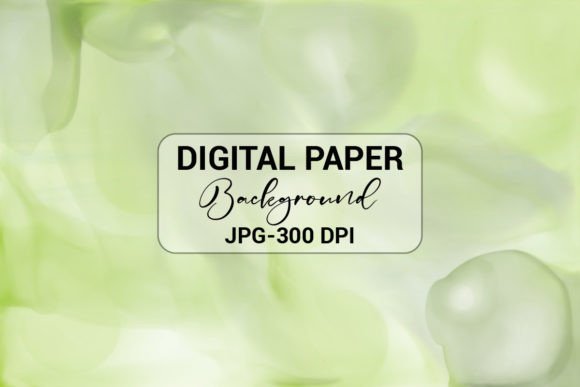
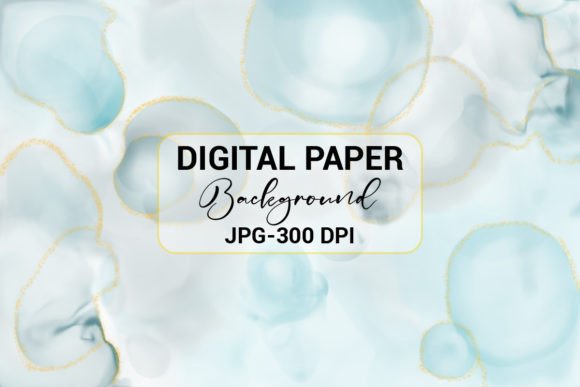
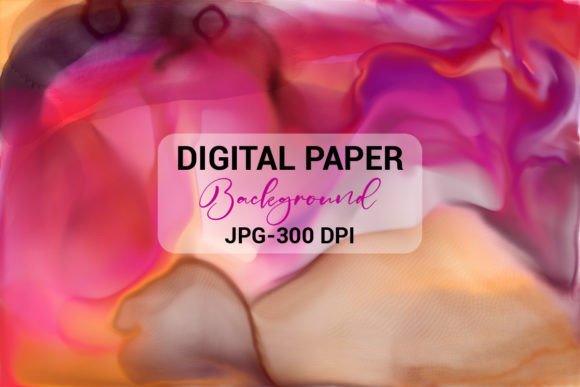
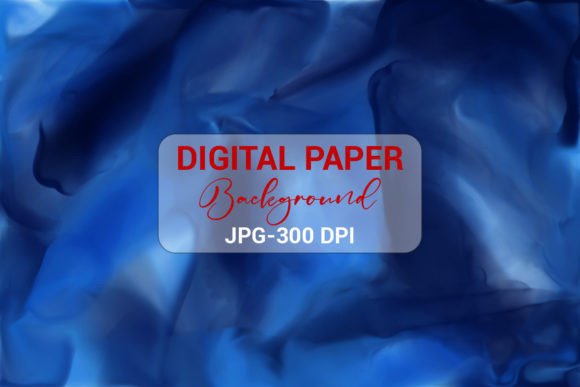
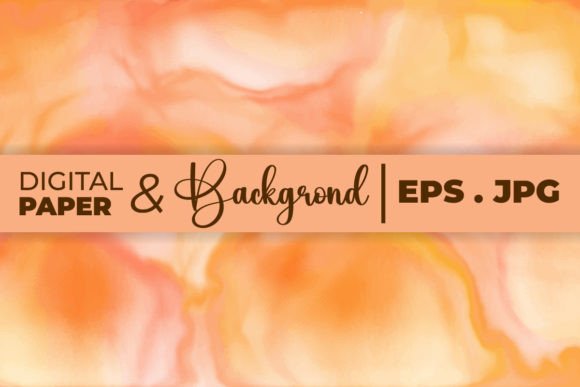
A Watercolor Digital Paper Background is not merely a photograph of paint; it is a carefully curated digital asset designed to mimic the unpredictable beauty of traditional watercolor painting. The appeal lies in its imperfection. The soft blends, subtle granulation, and organic edges provide a human touch that sterile vector graphics often lack. This aesthetic is particularly effective in industries where trust, warmth, and creativity are paramount, such as wedding planning, children’s education, wellness, and artisanal crafts.
From a technical standpoint, quality matters significantly. A premium background typically comes in high-resolution formats, such as 300 dpi at dimensions like 1200 x 800 px. This resolution ensures that the image remains crisp when printed on physical materials like coffee mugs, invitation cards, or mobile covers. For digital-only uses, such as web backgrounds or desktop wallpapers, these dimensions offer a balanced aspect ratio that fits well on most screens without requiring excessive cropping or stretching.
Comparing Watercolor Backgrounds to Alternative Design Resources
When selecting visual assets, creators often weigh watercolor backgrounds against several alternatives. Understanding these tradeoffs helps in choosing the most efficient tool for the task.
- Vector Patterns: Vector graphics are infinitely scalable and ideal for large-format printing like billboards. However, they can sometimes appear too perfect or cold. Watercolor backgrounds, usually delivered as raster images (JPEGs), offer texture and depth that vectors struggle to replicate naturally. If your goal is an organic, hand-painted look, watercolor is superior. If you need infinite scalability for massive signage, vectors may be better.
- Solid Colors and Gradients: While simple gradients are easy to create in software like PowerPoint or Canva, they lack character. A watercolor background provides immediate visual interest and complexity without requiring advanced design skills. It serves as a ready-made foundation that elevates simple text overlays.
- Photographic Textures: Real photos of paper or paint can be high-quality but often come with lighting inconsistencies, shadows, or unwanted debris. Curated digital watercolor papers are cleaned and optimized, ensuring consistent lighting and color balance, which simplifies the design process.
Versatility Across Digital and Physical Media
One of the strongest arguments for investing in a pack of Watercolor Digital Paper Backgrounds is their cross-platform versatility. Because these files are typically provided in standard JPEG format, they are compatible with a vast array of software, from professional tools like Adobe Photoshop to user-friendly platforms like Canva, MS Word, and MS PowerPoint.
Print-on-Demand and Physical Products
For entrepreneurs using print-on-demand services, these backgrounds are invaluable. They work exceptionally well for:
- Book Covers: The soft aesthetic suits genres like romance, self-help, poetry, and children’s literature. The 300 dpi resolution ensures the cover looks professional in thumbnail size and full print.
- Invitation and Party Decorations: Wedding invites, baby shower banners, and birthday cards benefit from the celebratory yet elegant feel of watercolor washes.
- Home and Lifestyle Items: Designs for coffee mugs, wallpaper, and mobile covers require high-quality imagery that does not pixelate. The 1200 x 800 px size is often sufficient for smaller items, though designers should check specific printer requirements for larger surfaces.
Digital Marketing and Social Media
In the digital realm, standing out in a crowded feed is challenging. Watercolor backgrounds provide a distinctive backdrop for:
- Social Media Posts: Use them as bases for quote graphics, product announcements, or story highlights. The organic shapes draw the eye without overwhelming the text.
- Web Backgrounds: Subtle watercolor textures can add depth to website headers or blog sections, enhancing user experience without slowing down load times significantly, provided the files are optimized.
- Desktop and Mobile Wallpapers: Users often seek calming, aesthetically pleasing backgrounds for their devices. These designs offer a personalized touch that standard operating system wallpapers lack.
Evaluating File Formats and Usability
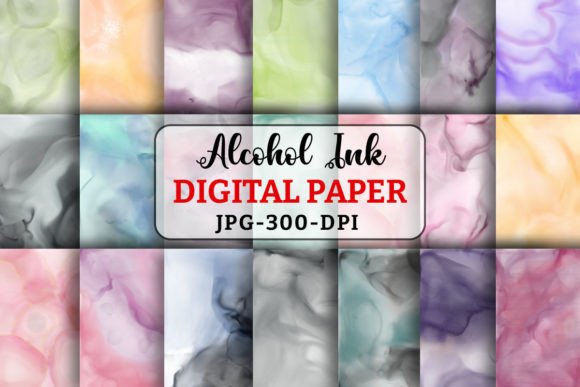
The usability of a design asset is largely determined by its file format and organization. A typical high-quality pack, such as one containing 20 JPG files in a ZIP archive, offers a balance between variety and manageability. JPEG is a universally accepted format, meaning you do not need specialized software to open or use these files. You can drag and drop them directly into MS Word for a report cover, insert them into PowerPoint for a presentation slide, or upload them to Canva for quick social media graphics.
However, there are limitations to consider. JPEG is a lossy compression format, which means it does not support transparency. If your project requires layering elements over a transparent background, you would need PNG files or separate brush assets. For most background applications, however, the rectangular canvas of a JPEG is perfectly suitable. The key is to ensure the resolution matches your output medium. For web use, 72 dpi is standard, but having 300 dpi files gives you the flexibility to print later without needing to source new assets.
When to Choose Watercolor Backgrounds and When to Look Elsewhere
Making the right choice depends on your specific project goals. A Watercolor Digital Paper Background is the ideal choice when:
- You want to convey emotion, creativity, or softness.
- You need a quick, high-quality backdrop that requires minimal editing.
- Your target audience appreciates artisanal or handcrafted aesthetics.
- You are working within standard design software that handles raster images well.
Conversely, you might need to explore other options if:
- Your brand identity is strictly corporate, minimalist, or tech-focused, where clean lines and solid colors are preferred.
- You require infinite scalability for very large format printing, in which case vector illustrations might be more appropriate.
- You need transparent elements to layer complex compositions, requiring PNGs or SVGs instead of JPEGs.
Practical Tips for Implementation
To get the most out of your download, consider these practical steps. First, organize your files. Unzip the archive and store the 20 JPEGs in a dedicated folder for easy access. Second, test the colors. Watercolor designs can vary in saturation; ensure the tones complement your text and logo. Third, respect licensing. Most designers allow personal and commercial use for end products like books or mugs, but always verify if you can resell the digital file itself (usually prohibited).
Finally, remember that these backgrounds are just one part of a broader creative toolkit. Many designers who create watercolor papers also offer complementary resources such as KDP interiors, T-shirt designs, brushes, and illustrations. Exploring a creator’s full profile can help you build a cohesive visual library, ensuring that your book covers, social media posts, and merchandise all share a consistent, professional look.
By understanding the unique qualities of Watercolor Digital Paper Backgrounds, you can make smarter design choices. Whether you are enhancing a greeting card or launching a new product line, these assets offer a blend of convenience, quality, and aesthetic appeal that few other resources can match. Thanks for downloading my design. Please visit my profile for more Background designs, KDP interiors, T-shirts, Brushes, and illustrations.