Elevating Digital Design with High-Resolution Brush Strokes Clipart
In the rapidly evolving landscape of digital content creation, the demand for authentic, hand-crafted aesthetics has never been higher. As audiences become increasingly desensitized to sterile, corporate-style graphics, designers and creators are turning toward organic textures that convey warmth, personality, and artistic flair. Among the most versatile tools in this visual arsenal is Brush Strokes Clipart. These digital assets bridge the gap between traditional media and modern design workflows, offering the tactile richness of paint on canvas without the mess or time commitment of physical artistry.
This comprehensive guide explores the utility, technical specifications, and creative applications of high-quality brush stroke elements. By understanding how to effectively integrate these resources, professionals and hobbyists alike can enhance their projects with a layer of sophistication that resonates with viewers on a subconscious level.
The Technical Foundation of Quality Digital Assets
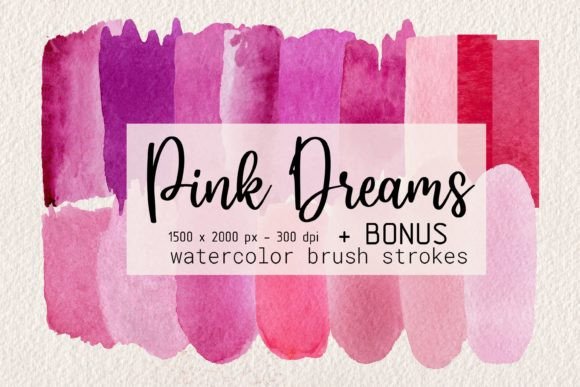
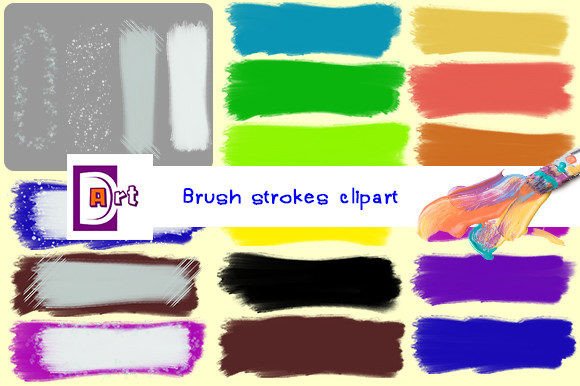
When selecting digital art resources for professional use, technical fidelity is paramount. A common misconception among novice designers is that all clipart is created equal. However, the difference between a pixelated, low-resolution image and a crisp, high-definition asset can make or break a design project. The specific collection under discussion here exemplifies the gold standard for digital brush resources, providing users with fifteen distinct PNG files in high definition.
The importance of resolution cannot be overstated. With a density of 300 DPI (dots per inch), these images are suitable not only for web display but also for high-quality print production. Whether you are designing a business card, a large-format banner, or a detailed brochure, maintaining clarity at various scales is essential. The dimensions of 1500 x 500 pixels offer a wide aspect ratio, making these brushes particularly effective for headers, footers, and horizontal dividers where space is abundant but vertical room is limited.
Furthermore, the file format plays a critical role in usability. The PNG format with a transparent background is the industry preference for overlay elements. Unlike JPEGs, which impose a white or colored box around the image, transparent PNGs allow the brush strokes to sit seamlessly atop any background color, photograph, or texture. This flexibility eliminates the need for tedious manual editing or complex masking techniques, streamlining the design process significantly.
Aesthetic Diversity: Gold Glitter and Colored Textures
Visual interest is driven by variety. A monochromatic approach may work for minimalist brands, but many projects require a splash of vibrancy or a touch of luxury. This particular set of bright brushes addresses this need by including a diverse palette of twelve separate elements alongside one combined image featuring all colors. This structure allows for both targeted application and broad decorative use.
The inclusion of gold glitter textures introduces an element of opulence and celebration. Gold is psychologically associated with success, quality, and prestige. In marketing materials, using gold brush strokes can subtly elevate the perceived value of a product or service. It is particularly effective in industries such as beauty, fashion, luxury real estate, and high-end hospitality. The glitter effect adds depth and light reflection, creating a dynamic visual that catches the eye even in static formats.
Conversely, the colored textures provide a more playful and energetic vibe. These bright hues are ideal for engaging younger demographics, promoting creative workshops, or adding a sense of fun to educational materials. The ability to mix and match these colors allows designers to align the artwork strictly with brand guidelines or seasonal themes. For instance, warm tones might be used for autumn campaigns, while cool blues and greens could signify trust and stability in corporate communications.
Practical Applications Across Industries
The versatility of Brush Strokes Clipart extends far beyond simple decoration. Its utility spans multiple sectors, each leveraging the organic nature of the strokes to achieve specific communication goals.
Branding and Identity Design
For startups and small businesses, establishing a unique brand identity is crucial. Hand-painted elements suggest authenticity and human touch, distinguishing a brand from competitors who rely solely on geometric, vector-based logos. These brush strokes can be incorporated into logo marks, letterheads, and social media profile frames to create a cohesive and memorable visual language.
Digital Marketing and Social Media
In the crowded feed of social media platforms, stopping the scroll is the primary objective. Bright, textured brush strokes serve as excellent framing devices for text overlays. They can highlight key quotes, frame product photos, or serve as backgrounds for Instagram stories. The transparent nature of the files means they can be layered over video content as well, adding a dynamic artistic flair to motion graphics.
Educational and Instructional Materials
Educators and instructional designers often struggle to make dry content engaging. Incorporating colorful brush strokes can break up walls of text, highlight important definitions, or create visually appealing section headers in worksheets and presentations. The informal nature of the brush style makes learning materials feel more approachable and less intimidating, which can improve student engagement and retention.
Event Planning and Stationery
From wedding invitations to corporate gala programs, event stationery benefits greatly from artistic embellishments. The gold glitter elements are particularly suited for formal events, adding a celebratory sparkle without the cost of actual foil printing. DIY enthusiasts can use these digital files to design custom invitations, save-the-dates, and thank-you cards that look professionally printed.
Workflow Integration and Usability
Efficiency is a key concern for modern creators. The workflow for integrating these assets is designed to be as frictionless as possible. Upon acquisition, users receive a single ZIP file containing all fifteen HD PNG files. This consolidated packaging ensures that no elements are lost during download and keeps the project folder organized.
Before usage, the files must be unzipped. This is a standard procedure for compressed digital goods and ensures that the high-resolution data remains intact during transfer. Once extracted, the files are ready for immediate import into any major design software, including Adobe Photoshop, Illustrator, Canva, Procreate, and Microsoft PowerPoint. The universal compatibility of the PNG format means there is no learning curve associated with proprietary file types.
The set includes twelve separate elements and one combined image. This distinction is important for workflow optimization. The separate elements allow for precise placement and individual manipulation. Designers can rotate, resize, and recolor each stroke independently to fit specific layout constraints. The combined image, featuring all colors, serves as a quick reference or a ready-made decorative border for projects where a multi-colored accent is desired without the need for manual assembly.
Maximizing Impact Through Strategic Design
To truly leverage the potential of these brush strokes, creators should consider principles of balance and contrast. Overusing textured elements can lead to visual clutter, diminishing the impact of the design. Instead, use the brush strokes as accent pieces to guide the viewer’s eye toward key information. For example, a single gold stroke underlining a headline can draw attention more effectively than a bold font change alone.
Contrast is another powerful tool. Placing a bright, textured brush against a dark, solid background creates a striking visual pop. Conversely, using subtle, lighter strokes on a white background can add texture and depth without overwhelming the content. Experimenting with opacity settings can also yield interesting results, allowing the brush strokes to blend softly with underlying images for a more integrated look.
It is also worth noting the psychological impact of imperfection. Digital design often strives for pixel-perfect precision, which can feel cold and impersonal. The irregular edges and varied thickness of brush strokes introduce a sense of humanity and spontaneity. This "wabi-sabi" aesthetic—finding beauty in imperfection—can make brands appear more relatable and trustworthy.
Considerations for Professional Use
While these assets are high-quality, responsible usage involves understanding licensing and context. Always ensure that the intended use aligns with the license provided upon download. For commercial projects, verify whether attribution is required or if the license covers unlimited reproductions. Additionally, consider the medium of final output. While 300 DPI is excellent for print, web optimization may require compressing the files further to ensure fast loading times without sacrificing visible quality on screens.
Color accuracy is another consideration. Screens vary in calibration, so the vibrant colors seen on one monitor may appear differently on another. When working on critical brand materials, it is advisable to check the colors across multiple devices and, if possible, perform test prints to ensure the gold glitter and bright textures translate as intended in physical form.
In conclusion, the integration of high-resolution Brush Strokes Clipart into digital projects offers a compelling way to enhance visual appeal and communicate brand personality. By combining technical excellence with artistic versatility, these assets empower creators to produce work that is not only visually stunning but also emotionally resonant. Whether used for subtle accents or bold statements, these brush strokes remain an indispensable tool in the modern designer’s toolkit.