Cleaning Flat Vector Illustration: House and Tools
In the vast landscape of digital design, clarity often triumphs over complexity. When communicating concepts related to home maintenance, hygiene, or domestic services, a Cleaning Flat Vector Illustration. House offers an immediate visual shorthand that resonates with audiences across the globe. These graphics strip away unnecessary detail to focus on the core message: cleanliness, order, and care. Whether you are a small business owner launching a new cleaning service, a developer building a home management app, or a content creator explaining household tips, understanding the utility and application of these illustrations is essential for effective communication.
The Essence of Flat Design in Household Contexts
Flat design is a minimalist style that emphasizes two-dimensional elements, avoiding gradients, shadows, and textures that mimic reality. When applied to the concept of a house and cleaning tools, this approach yields powerful results. A Cleaning Flat Vector Illustration. House typically features simplified geometric shapes representing brooms, mops, dustpans, and brushes, all isolated against a clean white background. This isolation is not merely an aesthetic choice; it serves a functional purpose by allowing designers to integrate these elements seamlessly into various layouts without clashing with existing color schemes or typography.
The beauty of this style lies in its scalability. Because these images are vector-based, they can be resized from a tiny icon on a mobile screen to a massive billboard without losing any quality. This makes them incredibly versatile for modern digital ecosystems where content must look crisp on everything from smartwatches to 4K monitors. The flat style ensures that the image remains legible even at small sizes, which is crucial for user interface (UI) elements like buttons, navigation icons, and status indicators.
Key Characteristics of Effective Cleaning Graphics
What distinguishes a high-quality illustration from a generic clip art? Several factors come into play when evaluating a Cleaning Flat Vector Illustration. House. First is the line weight and consistency. Professional illustrations maintain uniform stroke widths, creating a sense of harmony and balance. Second is the color palette. While these illustrations often use bright, cheerful colors to evoke freshness, they are usually designed with a limited palette to ensure they remain cohesive. Finally, the composition matters. The arrangement of items—such as a broom leaning against a bucket or a mop standing upright—should feel natural and intuitive, instantly recognizable to the viewer.
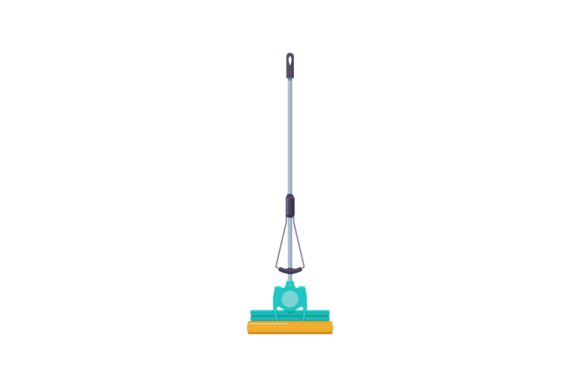
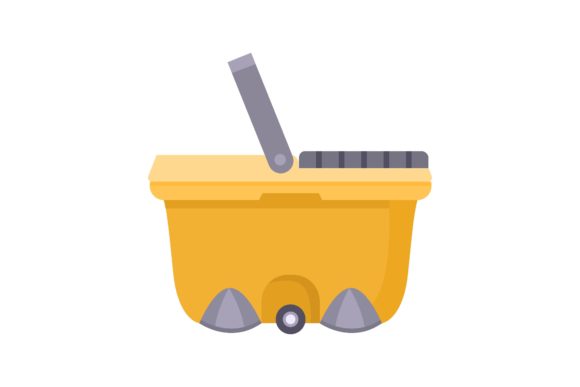
Consider the specific tools included in these sets. Brooms, brushes, mops, and dustpans are the staples of household cleaning. In a flat vector format, each tool is reduced to its most recognizable silhouette. A broom might be represented by a simple handle and a fan of bristles, while a mop could be depicted with a long shaft and a rectangular or circular head. Despite this simplification, the identity of each object remains unmistakable. This ability to convey complex objects through simple forms is the hallmark of successful graphic design.
Practical Applications Across Industries
The utility of a Cleaning Flat Vector Illustration. House extends far beyond simple decoration. It serves as a critical communication tool in various sectors. For professional cleaning companies, these graphics are indispensable for branding. They appear on websites, social media posts, and marketing brochures to instantly signal the nature of the business. A logo featuring a stylized house with a sparkle or a set of cleaning tools can establish trust and professionalism before a single word is read.
- Digital Product Development: App developers frequently use these vectors for home organization apps, chore trackers, and property management software. The flat style fits perfectly within modern UI/UX design principles, ensuring that the application feels contemporary and easy to navigate.
- Educational Content: Teachers and content creators use these illustrations to explain hygiene practices to children or to demonstrate proper cleaning techniques in instructional videos. The lack of distracting details helps learners focus on the action being described.
- Interior Design and Real Estate: Agents and designers utilize these graphics to highlight features of a property, such as "professionally cleaned" or "move-in ready." They add a touch of polish to listings without requiring expensive photography for every angle.
- Corporate Communication: Office managers and facilities teams use these visuals in internal newsletters or safety guidelines to promote workplace cleanliness and sanitation protocols.
Who Benefits Most from These Visual Assets?
While almost anyone involved in visual communication can benefit, certain groups find particular value in a Cleaning Flat Vector Illustration. House. Small business owners, who often operate with limited budgets, appreciate the cost-effectiveness of vector graphics compared to hiring photographers for stock images. Creators and freelancers value the flexibility these assets provide, allowing them to customize colors and arrangements to match client brand guidelines. Furthermore, online users seeking practical information find these visuals helpful because they break down text-heavy content into digestible, visually appealing segments.
For instance, imagine a blog post about "Top 5 Spring Cleaning Tips." Without images, the article might feel dry and overwhelming. By inserting a flat vector illustration of a house with cleaning tools scattered around, the writer creates a visual anchor that keeps the reader engaged. The image reinforces the theme and provides a mental break, making the information easier to absorb and remember.
Evaluating Suitability and Limitations
Despite their many advantages, it is important to recognize the limitations of flat design. A Cleaning Flat Vector Illustration. House may not be suitable for every context. If a project requires a hyper-realistic depiction of a cleaning product to showcase texture, material quality, or intricate details, a photograph or a 3D render would be more appropriate. Flat design excels at conveying concepts and symbols, but it struggles to replicate the tactile reality of physical objects.
Additionally, the simplicity of flat design can sometimes lead to ambiguity if not executed well. If a brush is drawn too abstractly, a viewer might mistake it for a toothbrush rather than a scrubbing brush. Therefore, when selecting or creating these illustrations, one must prioritize clarity over artistic flair. The goal is instant recognition. Before finalizing a design, it is wise to test it with a sample audience to ensure the intended message is received correctly.
- Check Scalability: Ensure the vector file maintains clarity when scaled down to icon size.
- Verify Color Contrast: Confirm that the colors stand out against different backgrounds, especially white or light gray.
- Assess Cultural Relevance: Make sure the depicted tools are recognizable in your target market's region.
- Review File Formats: Ensure you have access to editable source files (like SVG or AI) for future customization.
Real-World Scenarios and Implementation
Let us consider a real-world scenario: a startup launching a subscription service for eco-friendly cleaning supplies. Their brand identity needs to communicate sustainability, cleanliness, and ease of use. By utilizing a Cleaning Flat Vector Illustration. House, they can create a cohesive visual language across all touchpoints. On their website homepage, a large banner might feature a happy house surrounded by green leaves and cleaning tools, immediately conveying the eco-friendly aspect. On their mobile app, smaller versions of these icons serve as navigation buttons for ordering refills or scheduling deliveries.
Another example involves a municipal government campaign promoting public hygiene. Instead of using grainy photos that might look dated or unappealing, the campaign uses colorful flat illustrations of houses, parks, and community centers with cleaning tools. This approach makes the message feel friendly and approachable, encouraging community participation rather than feeling like a stern mandate. The use of isolated tools on a white background allows the designers to mix and match elements to fit different contexts, such as showing a broom for street sweeping or a mop for indoor sanitation.
Conclusion: The Enduring Value of Simple Imagery
In an era of information overload, the ability to communicate quickly and clearly is paramount. A Cleaning Flat Vector Illustration. House represents more than just a decorative element; it is a strategic asset that enhances understanding, engagement, and brand perception. By leveraging the strengths of flat design—scalability, versatility, and clarity—businesses and creators can effectively convey messages about cleanliness and home care to diverse audiences.
Whether you are designing a logo, developing an app, or writing an educational guide, incorporating these illustrations can elevate your project. They bridge the gap between abstract concepts and tangible actions, making the idea of cleaning accessible and inviting. As digital trends continue to evolve, the fundamental appeal of clean, simple, and meaningful imagery remains constant. Embracing this style allows you to connect with your audience on a visual level that is both professional and universally understood.