Evaluating Watercolor Japanese Clipart: The Bonsai Tree Collection
In the evolving landscape of digital design, the demand for assets that blend traditional aesthetic appeal with modern technical flexibility has never been higher. Among the myriad of resources available to creators, Watercolor Japanese Clipart, particularly collections featuring the iconic Bonsai Tree, stands out as a versatile tool for professionals and hobbyists alike. This analysis explores the practical utility, technical specifications, and creative potential of high-resolution watercolor bonsai illustrations, helping you determine if this asset class aligns with your current project requirements.
The Aesthetic and Technical Foundation
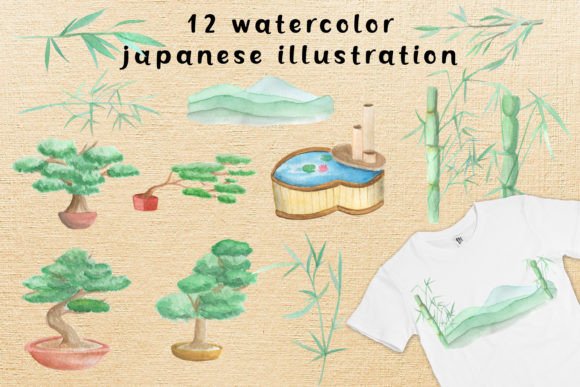
At its core, this collection offers hand-drawn watercolor illustrations of Japanese bonsai trees. The artistic style mimics the organic, fluid nature of traditional watercolor painting, characterized by soft edges, translucent layers, and natural color variations. Unlike vector graphics that can sometimes appear sterile or overly rigid, these raster images retain the human touch of the artist’s brushstroke, providing warmth and authenticity to digital projects.
From a technical standpoint, the value of these assets lies in their delivery format. You receive PNG files with transparent backgrounds at a resolution of 300 DPI (dots per inch). This specification is critical for professional use. The transparent background eliminates the need for time-consuming manual clipping or masking in software like Adobe Photoshop or Illustrator, allowing for immediate integration into complex layouts. Furthermore, the 300 DPI resolution ensures that the images remain crisp and detailed when printed, preventing the pixelation that often plagues lower-resolution web graphics when scaled for physical products.
Versatility Across Print and Digital Media
The primary strength of Watercolor Japanese Clipart is its adaptability. Because the files are high-resolution PNGs, they bridge the gap between digital-only assets and print-ready materials. This dual capability expands the range of applications significantly.
Product Design and Merchandising
For entrepreneurs and small business owners, these illustrations serve as ready-to-use design elements for print-on-demand services. The botanical theme of the bonsai tree resonates well with markets focused on mindfulness, nature, and Zen aesthetics. You can effectively apply these designs to a wide array of substrates, including:
- Apparel: T-shirts and hoodies benefit from the soft, artistic look of watercolor, which feels less industrial than standard graphic prints.
- Home Goods: Pillows, towels, and mugs provide a canvas where the organic shapes of the bonsai branches can be showcased without harsh borders.
- Accessories: Items such as bags, skateboards, and even helmets can utilize these graphics to create unique, custom looks that stand out in crowded marketplaces.
The key here is the transparency. When placing a bonsai illustration on a colored t-shirt or a patterned bag, the lack of a white bounding box ensures the design looks integrated rather than slapped on. This professional finish is essential for building brand credibility.
Crafting and Physical Ornamentation
Beyond flat printing, these digital files have tangible applications in physical crafting. Makers who utilize laser cutters, CNC machines, or die-cutting tools can use the high-contrast silhouettes of the bonsai trees as templates. While the watercolor texture itself cannot be cut, the outline serves as a precise guide for cutting wood, plastic, or thick paper. This allows crafters to create layered ornaments, wall art, or greeting cards where the digital precision of the file aids in physical construction.
Customization and Creative Workflow Integration
One of the most compelling aspects of purchasing Watercolor Japanese Clipart is the degree of control it offers over the final output. While the initial files are pre-colored, they are not static endpoints. They function as robust starting points for further creative exploration.
Designers using industry-standard software like Adobe Illustrator or Photoshop can manipulate these PNGs extensively. You might choose to adjust the hue and saturation to match a specific brand palette, or use blending modes to integrate the watercolor texture with other photographic elements. For those who prefer a more hands-on approach, the files can be printed out and colored manually using pencils, brushes, or markers. This hybrid workflow—starting digital and finishing analog—appeals to educators and artists who want to teach color theory or texture application while maintaining a consistent base structure.
Additionally, these assets are ideal for creating repeating patterns. By arranging multiple bonsai illustrations in various orientations and scales, you can generate seamless backgrounds for stationery, website headers, or packaging paper. The organic irregularity of the hand-drawn style helps prevent the repetitive "grid" look that often makes digital patterns feel artificial.
Target Audience and Practical Use Cases
Who benefits most from integrating Watercolor Japanese Clipart.Bonsai Tree illustrations into their workflow? The answer spans several professional and personal categories:
- Graphic Designers and Freelancers: Those working on branding projects for wellness centers, tea shops, or landscaping businesses will find these assets invaluable for creating logos and visual identities that convey tranquility and growth.
- Educators and Publishers: Teachers creating materials for art history, botany, or cultural studies can use these illustrations to visually support lessons on Japanese culture or horticulture. The high quality ensures that handouts and textbooks look professional.
- Content Creators and Bloggers: In a digital space saturated with stock photography, unique watercolor clipart helps differentiate blog posts, social media graphics, and newsletters. It adds a curated, thoughtful aesthetic that resonates with audiences seeking authenticity.
- Hobbyists and Crafters: Individuals engaged in scrapbooking, card making, or home decor projects appreciate the ease of use. The transparent backgrounds mean less prep time and more time spent on the creative assembly.
Quality Assurance and Long-Term Value
When evaluating digital assets, consistency and reliability are paramount. A high-quality clipart collection should maintain a uniform artistic style across all included images. In this case, the hand-drawn nature ensures that each bonsai tree, while unique in shape, shares the same textural language. This consistency is crucial when creating cohesive multi-page documents or product lines.
Moreover, the longevity of these files contributes to their value. Unlike subscription-based stock photo services where access may expire, owning the PNG files means you have perpetual rights to use them in your projects. Whether you are launching a new product line today or updating your website next year, the assets remain available and usable. This one-time investment often proves more cost-effective for frequent users than recurring subscription fees.
However, it is important to note limitations. As raster images, PNGs do have a maximum scale limit. While 300 DPI is excellent for most standard print sizes (up to poster size depending on the original pixel dimensions), they cannot be infinitely scaled like vector SVG or EPS files. For massive billboard-sized prints, you would need to ensure the original file dimensions are sufficiently large or consider tracing the image into a vector format if absolute scalability is required.
Final Considerations for Integration
Incorporating Watercolor Japanese Clipart into your creative toolkit requires an understanding of your specific project needs. If your goal is to evoke a sense of calm, tradition, and natural beauty, the bonsai tree motif is an exceptionally strong choice. The technical readiness of the files—transparent, high-resolution, and compatible with most computer programs—removes many of the friction points associated with digital asset management.
Before purchasing or downloading, consider the color palette of your existing brand or project. Watercolor art often features subtle gradients and specific tonal ranges. Ensure that the greens, browns, and accent colors in the clipart harmonize with your overall design scheme. If necessary, plan for post-processing time to adjust colors to fit your exact specifications.
Ultimately, these illustrations offer a blend of artistic charm and technical convenience. They are not merely decorative elements but functional tools that can enhance the visual communication of your message. Whether you are designing a logo for a new startup, creating educational materials, or producing custom merchandise, the versatility and quality of Watercolor Japanese Clipart.Bonsai Tree illustrations make them a worthy consideration for any serious creator. By leveraging these assets effectively, you can elevate the aesthetic quality of your work while streamlining your production workflow.